Gypsum
Egyptian Gypsum
Gypsum (calcium sulfate dihydrate – CaSO₄•2H₂O) is a soft sulfate mineral widely distributed in Egypt, with major deposits in the Sinai Peninsula (estimated reserves of 216 million tons), Eastern Desert, Red Sea coast, and around the Nile Delta. As a versatile industrial mineral, Egyptian gypsum is essential for construction materials, cement manufacturing, agriculture, and various industrial applications. Our gypsum products range from raw rock to calcined plaster, serving both domestic and international markets.
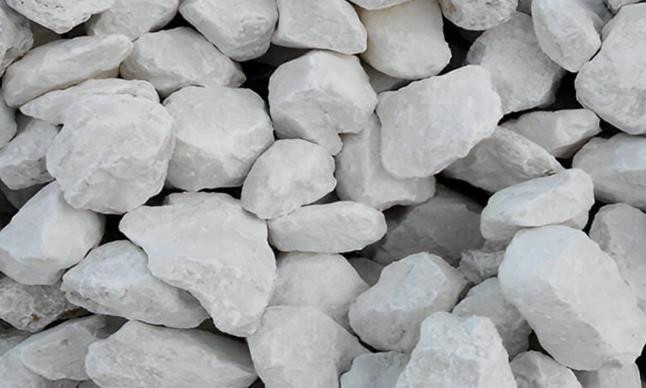
EGYPTIAN GYPSUM
What is Gypsum?
Gypsum is a naturally occurring soft sulfate mineral composed of calcium sulfate dihydrate, with the chemical formula CaSO₄·2H₂O. It has a hardness of 1.5–2 on the Mohs scale, making it one of the softest minerals, and can be white, colorless, gray, yellow, or pink depending on impurities. When heated (calcined) between 100–170°C, it loses three-quarters of its water to become plaster of Paris (bassanite, CaSO₄·½H₂O), which recrystallizes back to gypsum when mixed with water.
Egyptian Deposits
Egypt possesses abundant gypsum resources across multiple regions:
- Sinai Peninsula: The most significant gypsum-producing region, particularly in the Miocene deposits along the eastern Suez Rift border. Geological reserves are estimated at 216 million metric tons in South Sinai alone. Major occurrences near Ras Sudr, Abu Rudeis, and along the coastal road to Sharm El Sheikh.
- Red Sea Coast: Bedded Miocene formations along both the Sinai and mainland Red Sea coasts, with outcrops of calcite/gypsum deposits at coordinates 25°16’N, 34°45’E.
- Eastern Desert: Significant gypsite deposits (impure gypsum in soil) on limestone plateaus, with ancient quarries near Amarna covering nearly three square kilometers.
- Nile Delta Region: Gypsum deposits around the Nile Delta, including the Girza and Helwan areas where gypsite deposits range from 15–50 cm thick with 50–60% gypsum content.
- Faiyum Depression: Thick veins cutting Eocene mudstone, with ancient quarries at Umm el-Sawan and near Qasr el-Sagha dating to the Early Dynastic period and Old Kingdom.
- Western Desert Oases: Pleistocene and Holocene evaporite lake deposits.
- Mariout Region: Deposits from Alexandria southwest to El-Hammam.
Types of Gypsum
- Rock Gypsum: Massive, coarsely crystalline variety.
- Gypsite: Impure soil-like deposit containing 24–74% calcium sulfate mixed with calcite and quartz.
- Alabaster: Fine-grained, massive variety used for carving and sculpture.
- Selenite: Transparent, crystalline variety.
- Satin Spar: Fibrous variety with pearly luster.
Industrial Applications
- Construction Industry (Primary Use): Approximately 95% of gypsum is calcined for construction applications:
- Plasterboard/Drywall: Wallboards, ceiling tiles, and partitions with excellent fire resistance and thermal insulation.
- Plaster: Wall plaster, lining plaster, and decorative moldings.
- Gypsum Blocks: For interior walls and partitions.
- Flooring: Leveling compounds and underlayment’s.
- Fire Protection: Releases water vapor when heated, slowing fire spread.
- Cement Industry: Uncalcined crushed gypsum (3–6%) is added to Portland cement as a setting regulator to control the hardening process and prevent flash setting.
- Agriculture:
- Soil Amendment: Improves soil structure, enhances water penetration, reduces aluminum toxicity in acidic soils, and remediates sodic soils by replacing sodium with calcium.
- Fertilizer: Provides calcium and sulfur as secondary plant nutrients.
- Ammonium Sulfate Production: Gypsum with 15–20% sulfur can produce ammonium sulfate fertilizer.
- Plaster of Paris (Calcined Gypsum): Used for:
- Surgical splints and casts.
- Dental impressions.
- Molding and casting in art and industry.
- Statuary and decorative objects.
- Food Industry:
- Tofu Coagulant: Provides dietary calcium, especially important in Asian cuisines.
- Brewing: Adds hardness to water for homebrewing.
- Dough Conditioner: In baking as a source of dietary calcium.
- Mineral Yeast Food: Component in yeast foods.
- Other Applications:
- Paper Industry: As filler and coating pigment.
- Glass Industry: Aids in removing gases during glass melting.
- Paint and Coatings: As extender pigment.
- Rubber and Plastics: As filler.
- Petroleum Drilling: In drilling muds and well cementing.
- Water Treatment: Removes impurities and pollutants including lead and arsenic.
- Dental and Medical: Impression materials and dental plasters.
- Cosmetics: In foot creams, shampoos, and hair products.
Processing Methods
- Mining: Open-pit mining for near-surface deposits; room-and-pillar or longwall mining for deeper deposits.
- Crushing and Screening: Size reduction and classification.
- Calcination: Heating to 130–170°C to produce plaster of Paris (hemihydrate)
- Further Heating: Up to 1093°C produces calcium sulfide for sulfuric acid production.
Physical Forms Available
- Raw Gypsum Lumps: Run-of-mine, crushed and sized.
- Gypsum Powder: Various mesh sizes for direct industrial use.
- Calcined Gypsum (Plaster of Paris): For construction and medical applications.
- Gypsum Boards/Panels: Finished construction products.
Quality Parameters
- Purity (CaSO₄·2H₂O content): Determines value and applications.
- Whiteness: Important for certain applications.
- Particle size distribution: Affects setting time and workability.
- Impurities: Calcite, quartz, clay minerals.
Packaging Options
- Jumbo Bags: 1.0 – 1.5 metric tons.
- Small Bags: 25kg, 50kg for construction and specialty applications.
- Bulk: Direct loading into vessel holds for large industrial consumers.
Quality Assurance
Each shipment is accompanied by:
- Certificate of Analysis from accredited laboratories.
- Purity verification (CaSO₄·2H₂O content).
- Particle size distribution analysis.
- Moisture content testing.
- Setting time tests for calcined products.
- Third-party inspection available upon request.
Quick Summary:
Egyptian gypsum is abundant across the country, with Sinai alone holding 216 million tons of reserves in the Miocene deposits along the Suez Rift. Our gypsum resources range from high-purity rock gypsum to gypsite deposits near the Nile Valley that have been utilized since ancient Egyptian times. We supply raw gypsum for cement manufacturing (3–6% additive), calcined gypsum for plasterboard and construction, and agricultural gypsum for soil improvement. With Egypt’s strategic location and multiple export ports, we offer reliable supply to construction material manufacturers, cement plants, and agricultural industries worldwide.
| Remarks | Chemical analysis |
|---|---|
| Result % | Element |
| 94.5 min | CaSO4·2H2O |
| 30.50 : 33.0 | CaO |
| 44.0 : 46.0 | SO3 |
| 0.10 Max | MgO |
| 0.25 Max | Al2O3 |
| 0.008 Max | Cl |
| 92.00 Min | Purity |
| 93.00 | Whiteness |
| 0.03 Max | Moisture |